
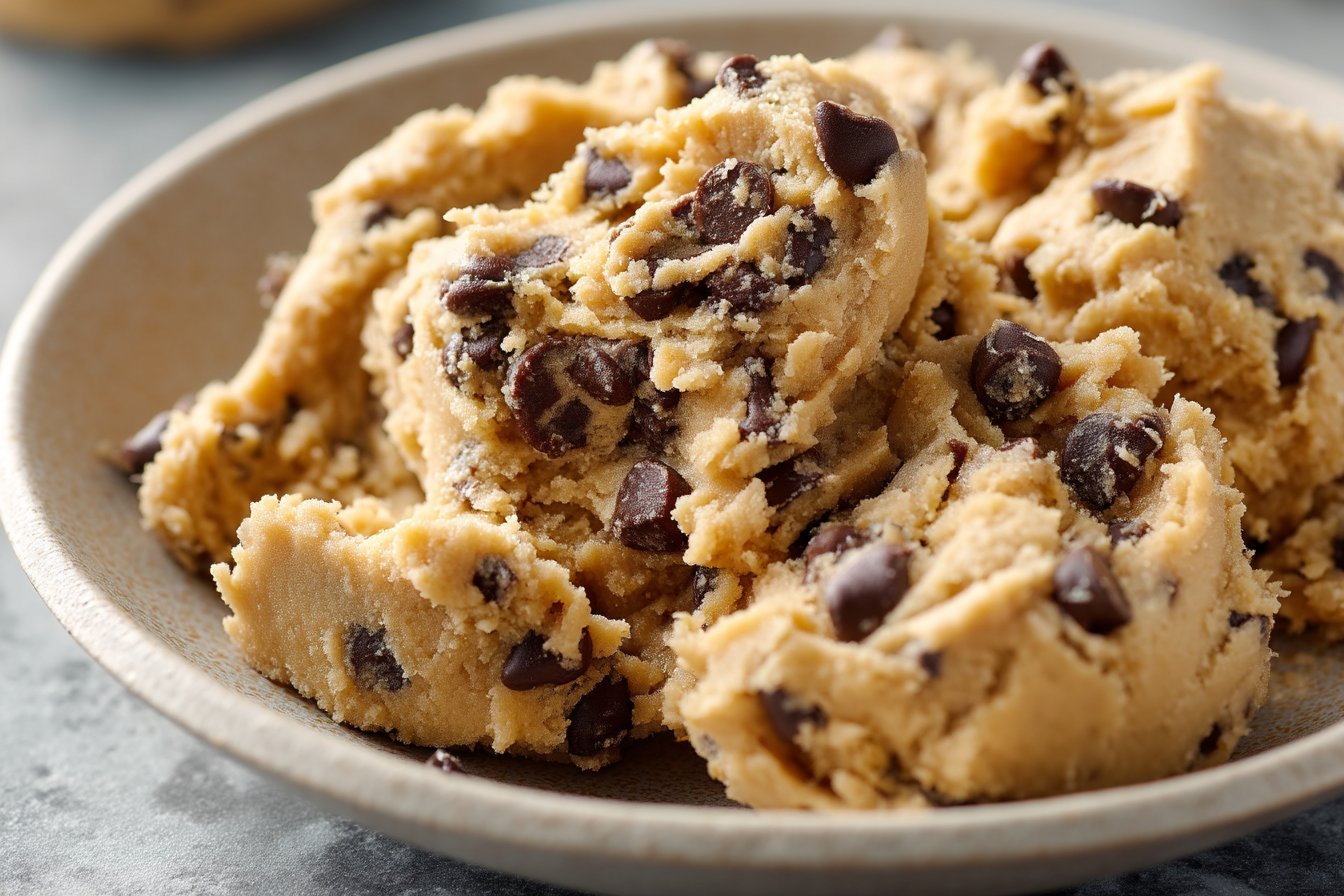
The Memory Behind This Treat
The first time I played around with Protein Cookie Dough, I was standing in my kitchen in leggings and a very questionable old teacher T-shirt, absolutely starving after a walk that went longer than it should have. I remember opening the pantry, staring at the almond flour and protein powder, and thinking, “There has to be a way to make this taste like something I actually want.” My blood sugar was dipping, I didn’t want to turn on the oven, and I needed something fast but comforting—something that felt like sneaking cookie dough from the bowl, the way I did in my grandma’s kitchen. She would always swat at my hand with a wooden spoon and then give me a wink and another spoonful anyway. This recipe is my grown-up, blood-sugar-friendly version of those stolen bites, only now I’m the one in charge of the spoon.
When my daughter was a teenager and started lifting weights, she wanted a snack that tasted like dessert but hit her protein goals without sending her energy crashing. She’d come home from the gym, drop her bag on the table, and ask, “Mom, do we have that cookie dough stuff?” I loved that this Protein Cookie Dough took just a few minutes: whisk almond flour and protein powder, warm a little peanut butter, stir in the maple syrup, non-dairy milk, and vanilla, then finish with chocolate chips. No mixer, no oven, no drama—just a bowl, a spatula, and a fridge container. It became our little ritual: I’d save a few scoops for myself, roll some into snack-sized balls for her, and tuck them away for those “I need something now” moments that used to derail our healthy intentions.
How To Make It (Mix & Ingredients)
To make this Protein Cookie Dough, start by whisking together 1 cup almond flour and 1/2 cup vanilla protein powder in a medium bowl. This simple step keeps the texture smooth and prevents clumps later. I like using a whey or plant-based protein that you already enjoy drinking, because if you don’t like the shake, you probably won’t love it in cookie dough either. Make sure your almond flour is finely ground; if it’s a bit coarse, give it a quick sift to keep everything soft and doughy.
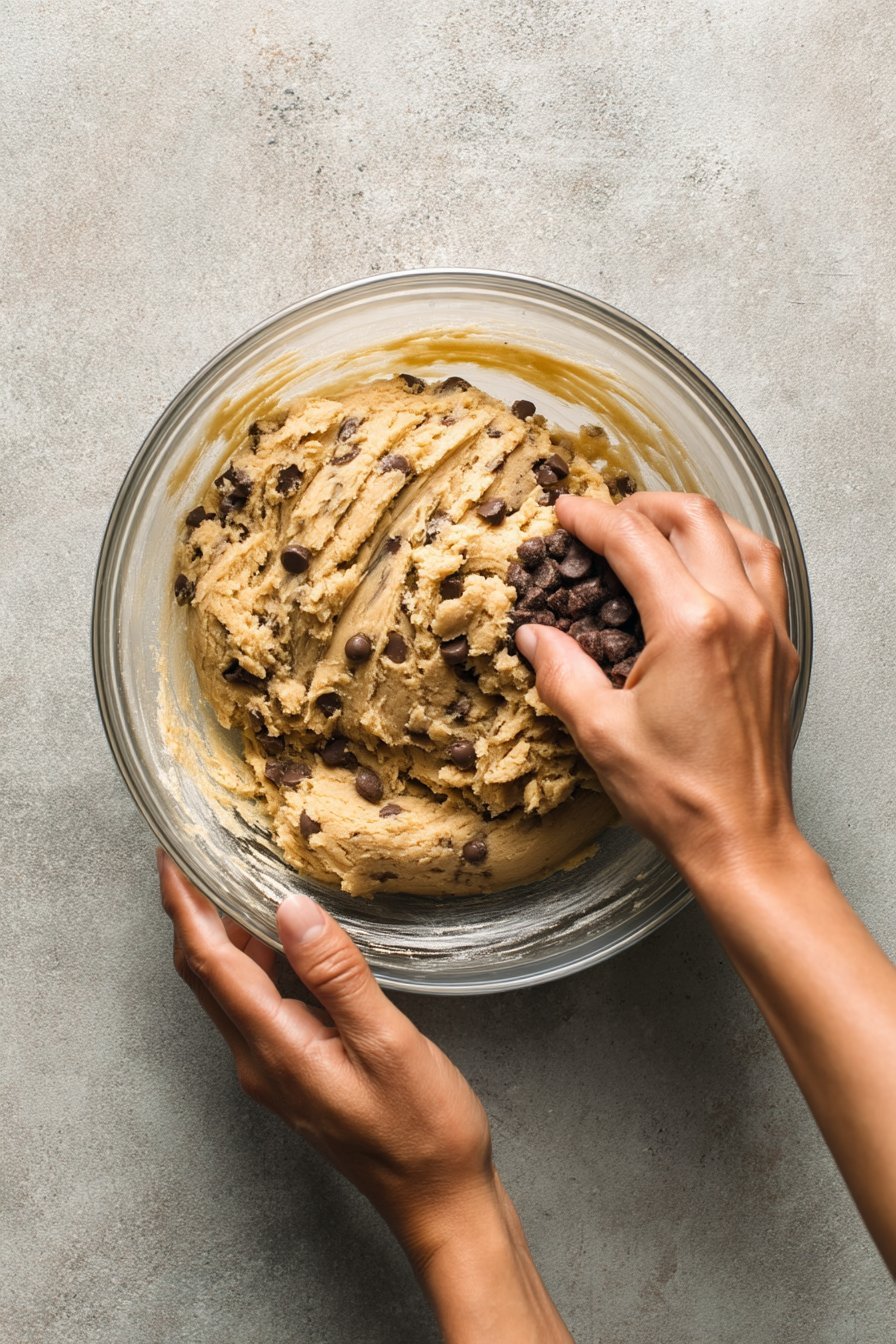
Instructions Process of Protein Cookie Dough
Next, gently warm 1/4 cup creamy peanut butter in the microwave for about 20 seconds so it stirs easily. Add it to the dry mix along with 1/4 cup maple syrup, 1/4 cup non-dairy milk, and 1 teaspoon vanilla. Start folding with a rubber spatula, pressing the wet ingredients into the dry until it forms a thick, scoopable dough. If it feels dry or crumbly, add 1–2 tablespoons more milk, just a splash at a time, until the Protein Cookie Dough holds together like classic cookie dough when you squeeze it in your hand.Once the base texture feels right, fold in 2/3 cup chocolate chips—I prefer sugar-free or at least dark chocolate to keep it more blood-sugar friendly. At this point you can adjust to your taste: a pinch of salt for balance, or an extra drizzle of peanut butter if you want it richer. You can serve it as a bowl of edible cookie dough or roll it into bite-size balls for easy portion control after workouts. Pop your Protein Cookie Dough into the fridge for at least 20–30 minutes to firm up; the flavors deepen, and the texture turns even more like the real cookie dough we all grew up sneaking from the mixing bowl.
Make-Ahead & Storage
Protein cookie dough is one of those rare treats that actually gets better after a little chill time. You can make a full batch on Sunday, portion it into 8 scoops or balls, and tuck them into an airtight container for the week. In the fridge, this Protein Cookie Dough holds well for 4–5 days and firms up into that classic, fudgy, snackable texture. If it seems a little stiff straight from the fridge, just let it sit on the counter for 5–10 minutes to soften before you dig in. I like to write the date right on the container with a bit of painter’s tape so I don’t lose track of how long it’s been hanging out in the back of the fridge.
If you want to really batch prep, this Protein Cookie Dough also freezes beautifully. Roll the dough into balls, place them on a parchment-lined sheet pan, and freeze until solid, about 1–2 hours. Then transfer to a freezer-safe bag or container, press out the extra air, and label it; they’ll keep their flavor and texture for up to 2 months. When you’re ready for a quick post-workout snack or easy dessert, just thaw a few in the fridge for a couple of hours or on the counter for 15–20 minutes. Because there are no eggs and everything is vegan and gluten free, you don’t have to worry as much about food safety, but you do want to protect the dough from absorbing fridge or freezer odors—airtight containers and good labeling are your best friends here.
Best Ingredients & Party Variations
When you’re making Protein Cookie Dough, the ingredients you choose make all the difference between “meh” and “who ate the whole bowl?” Start with a good quality almond flour (blanched and finely ground) for that soft, doughy texture—almond meal will taste grainier. I like a vanilla protein powder with simple ingredients and no weird aftertaste; whey will give you a smoother, fluffier dough, while plant-based powders make it a bit denser but great for vegan and dairy-free friends. Use a creamy, unsalted peanut butter that stirs easily; if it’s too stiff, a quick 10–20 seconds in the microwave helps it blend with the almond flour. For sweetness, maple syrup keeps everything refined sugar free, but you can swap in allulose or a liquid monk fruit blend to lower carbs for my keto and diabetic readers. Stir in dark chocolate chips (I like 70% or stevia-sweetened) so you get that rich, classic cookie dough feel without the sugar crash.
For parties or snack boards, you can turn this Protein Cookie Dough into a whole dessert situation. Roll the dough into mini bites and dust some in cocoa powder, roll others in crushed peanuts, and leave a few plain so guests can choose their favorite texture. For a fun kid-friendly tray, press the dough into a small parchment-lined pan, chill, and cut into “protein fudge” squares with colorful sugar-free sprinkles on top. Going more low-carb? Divide the batch and create “flavor zones”: one with sugar-free white chips and freeze-dried raspberries, another with chopped pecans and a pinch of cinnamon, and one with shredded coconut and a drop of almond extract. You can also serve the dough in a small bowl surrounded by strawberries, celery sticks, or low-carb crackers for dipping—almost like a sweet protein-packed hummus that feels party-ready but still supports your goals.
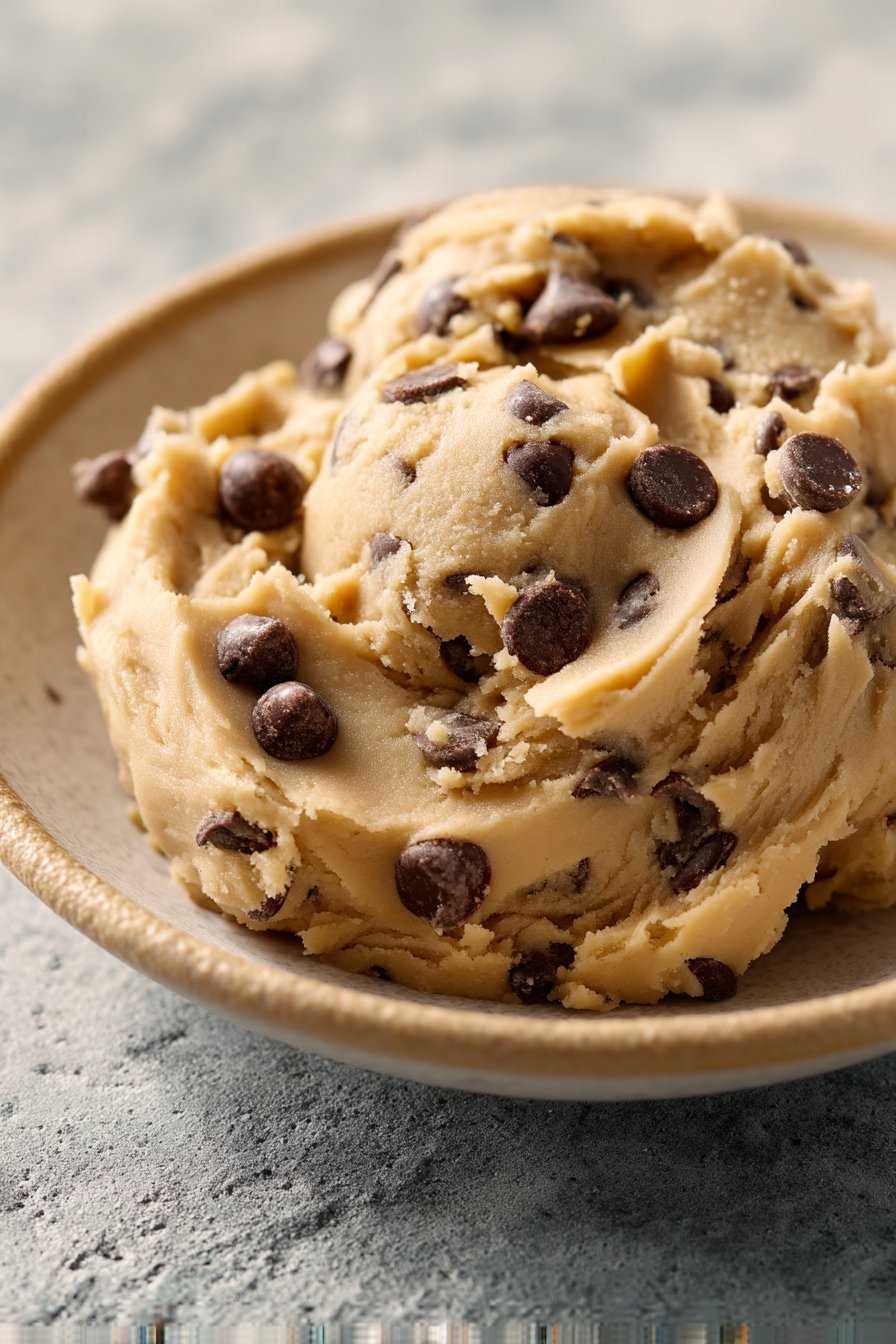
Serving of Protein Cookie Dough
Conclusion
When I scoop this chilled dough into a little bowl after dinner, it feels like a tiny celebration at the end of a long day. It’s a reminder that caring for your health doesn’t mean giving up comfort, sweetness, or fun—it just means getting a little more creative. I’ve watched my family gather around the kitchen island, “taste-testing” one spoonful at a time and insisting they need just one more bite… you know, for research. Those are the kinds of simple, shared moments I hope this recipe brings to your home too.
Whether you make it for a movie night, a post-workout treat, or a Sunday afternoon kitchen adventure with the kids, I hope this Protein Cookie Dough earns a spot in your regular rotation. Don’t worry about getting it perfect the first time—play with flavors, textures, and mix-ins until it feels like yours. Then grab a spoon, share a bite with someone you love, and savor how good better choices can taste.
For more delicious recipes like this, follow us on social media!
What substitutions can I make for protein powder, nut butter, and sweetener?
You can use whey, plant‑based, or collagen protein powder; just choose a flavor you like because it really drives the taste. If you cannot use peanut butter, almond butter or cashew butter both work; for a nut‑free version, try sunflower seed butter. For lower carbs, swap the maple syrup for a sugar‑free liquid sweetener made with stevia, monk fruit, or erythritol. You may need to adjust the non‑dairy milk slightly, because different protein powders and sweeteners change the texture. Add liquid 1 tablespoon at a time until you reach a soft, scoopable dough.
Recipe
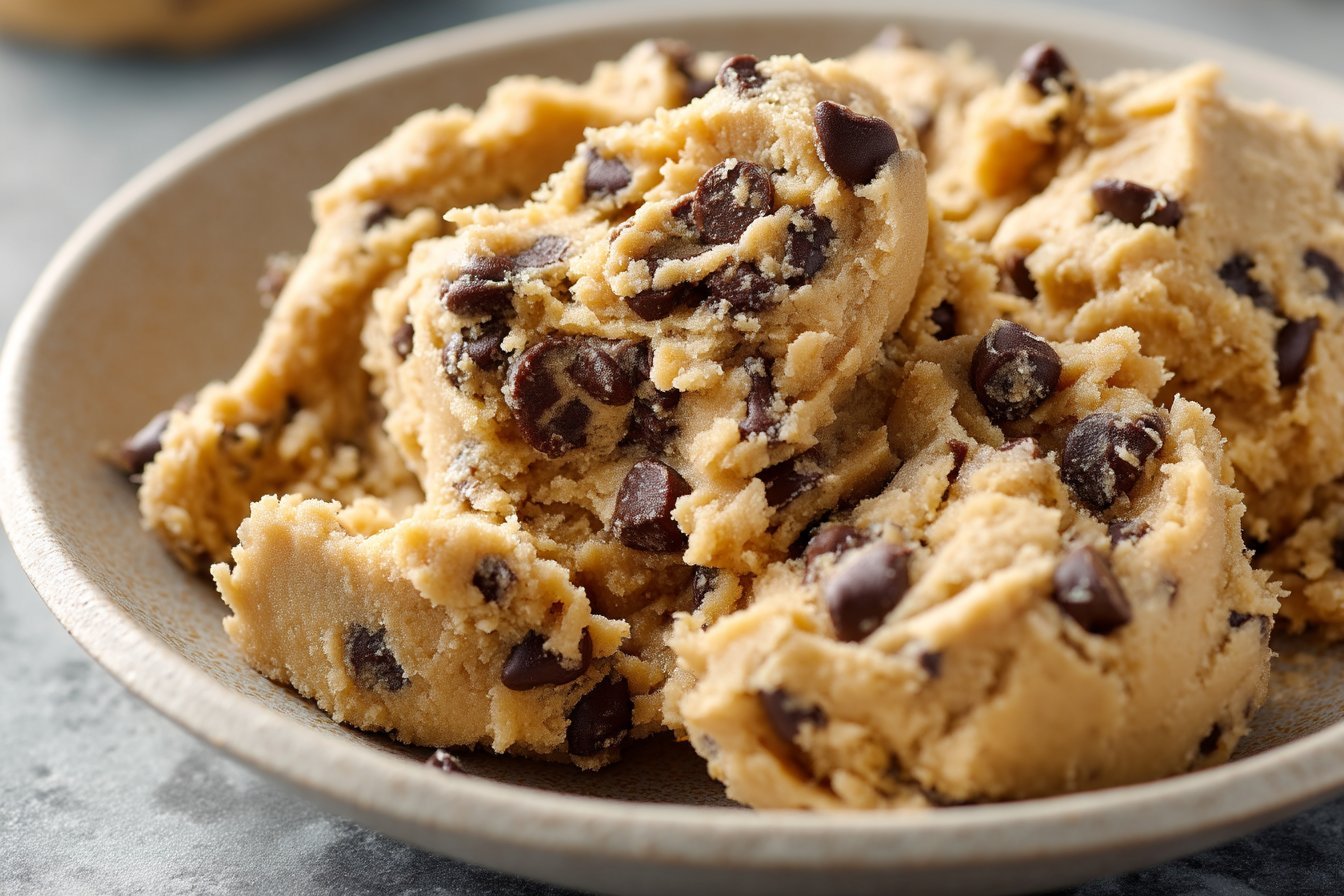
Protein Cookie Dough
Ingredients
Method
- Add the almond flour and vanilla protein powder to a medium mixing bowl and whisk until well combined and no lumps remain.
- Place the peanut butter in a small microwave-safe bowl and warm in the microwave for 20 seconds until slightly melted and easy to stir.
- Pour the warmed peanut butter into the dry ingredients, then add the maple syrup, 1/4 cup non-dairy milk, and vanilla bean paste.
- Use a rubber spatula to mix and press the wet ingredients into the dry ingredients until a thick dough forms.
- If the dough looks dry or crumbly, add 1–2 tablespoons more non-dairy milk, a little at a time, mixing until the dough holds together and is soft and scoopable.
- Fold in the chocolate chips until evenly distributed throughout the dough.
- Serve immediately as soft cookie dough or roll into bite-size balls.
- Store the cookie dough or dough balls in an airtight container in the refrigerator.
Notes
- Choose a vanilla protein powder you enjoy on its own, as its flavor comes through in the dough.
- Use dairy-free chocolate chips to keep the recipe fully vegan and dairy free.
- For firmer texture, chill the dough for 20–30 minutes before serving or rolling into balls.
- Store in the refrigerator for up to 5 days; for longer storage, freeze rolled balls and thaw briefly before eating.