
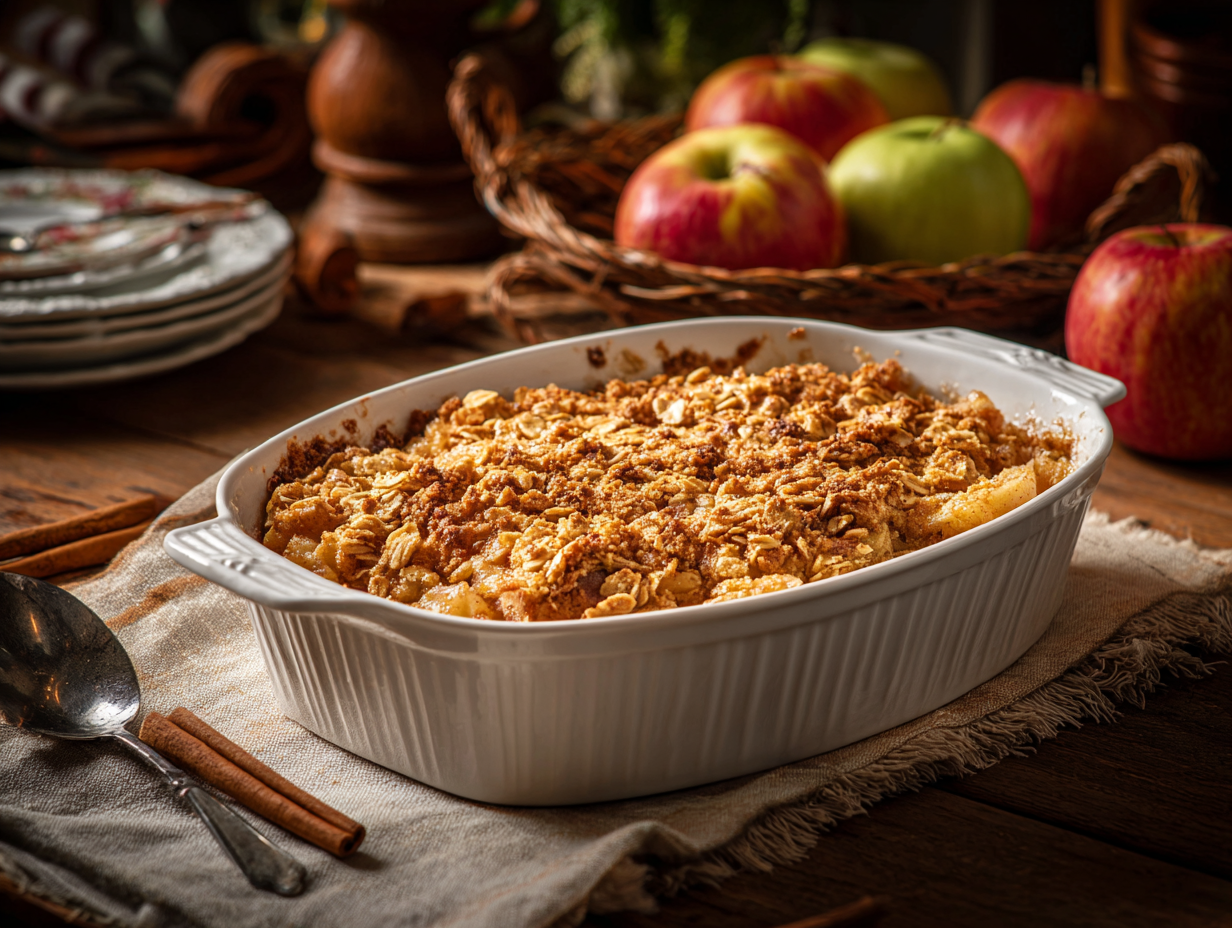
Warm, tender apples nestled beneath a golden oat topping — apple crisp is comfort in a dish. But if you’re managing your blood sugar, you might think it’s off-limits. Not anymore. This article dives into how to make a truly satisfying diabetic desserts apple crisp that’s light on sugar but big on flavor.
We’ll explore which apples to choose, how to recreate that classic sweet crunch with low-glycemic swaps, and tips for baking a crisp that tastes like the real thing — only healthier. If you’re craving dessert without the guilt, you’re in the right place.
Comfort Food That Doesn’t Spike Blood Sugar
There’s something timeless about apple crisp. The smell alone — warm cinnamon mingling with baked apples — used to fill my grandmother’s kitchen every fall. Back then, I didn’t think twice about how much sugar was packed into each bite. But years later, after creating recipes professionally and diving into mindful eating, I started to rethink how comfort food could also be good-for-you food.
This diabetic desserts apple crisp is a recipe I developed for my friend who wanted something sweet that wouldn’t spike her glucose levels. We played with apple varieties, tested different sugar substitutes, and reimagined the topping until it struck the perfect balance: golden and crumbly, not too sweet, with a satisfying crunch.
It turns out, when you lean into the natural sweetness of apples (especially tart ones like Granny Smith or Honeycrisp) and use the right blend of spices, you don’t need refined sugar at all. A dash of cinnamon, a hint of lemon, and a sugar alternative like erythritol or monk fruit bring everything together.
If you’re looking for something that feels indulgent but respects your blood sugar, this crisp delivers. Plus, it’s incredibly easy to make — just like my other cozy bakes like this pumpkin bread or weeknight apple galette.
Why This Diabetic Apple Crisp Is Different
Most traditional apple crisps are packed with brown sugar and butter — a blood sugar nightmare if you’re diabetic. But this version is thoughtfully adjusted with your health in mind.
Instead of refined sugar, we use low-glycemic sweeteners like erythritol or a stevia-erythritol blend. These won’t spike your glucose but still provide that familiar sweetness. The topping skips white flour entirely, opting instead for almond flour and rolled oats, making it higher in fiber and lower in carbs.
And the best part? You won’t feel like you’re missing out. The apples still caramelize, the topping crisps beautifully, and every bite tastes like a warm hug. Serve it up with a spoonful of unsweetened Greek yogurt or coconut whip for an added treat — just like we do with my sugar-free cherry cobbler on chill nights.
This dessert has become a staple in my kitchen — whether I’m baking for my diabetic aunt or just craving something less sweet but totally satisfying.
Choosing the Right Apples and Sweeteners
Are Honeycrisp and Granny Smith Apples Diabetic-Friendly?
When you’re baking a diabetic desserts apple crisp, the apples you choose really matter. Some varieties are naturally sweeter and higher on the glycemic index, while others are more tart and fiber-rich, making them better for blood sugar balance.
Granny Smith apples are an excellent choice for diabetics. They’re low in sugar, high in fiber, and hold their shape beautifully when baked. Honeycrisp apples, while sweeter, are still a good option in moderation — their intense flavor means you can use less added sweetener overall.
Mixing the two works wonderfully. The tartness from Granny Smith and the mild sweetness from Honeycrisp creates balance and depth. If you’re exploring apple types, you might also consider Empire or Braeburn. Avoid softer varieties like Red Delicious — they break down too much during baking and tend to be higher in natural sugars.
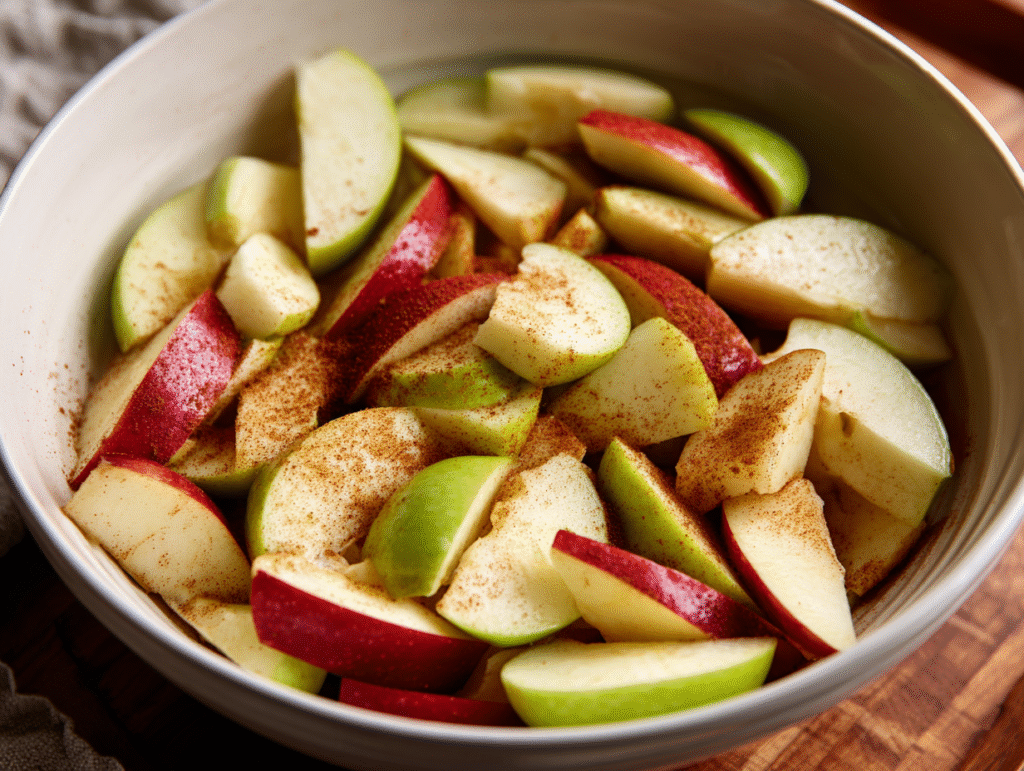
When prepping your apples, leave the skins on for extra fiber, or peel them for a softer texture — both ways work. Just slice them thin so they cook evenly.
I use the same apple combo in my diabetic apple spice muffins — they’re a fall favorite for a reason.
Sugar Substitutes That Actually Taste Good
The key to nailing a diabetic-friendly crisp lies in your sweetener game. Brown sugar is out — but don’t worry, there are fantastic alternatives that bake and taste almost the same.
Erythritol, a sugar alcohol, is one of the best choices. It’s low on the glycemic index, has zero net carbs, and mimics sugar’s taste and texture without the weird aftertaste. Brands like Swerve and Lakanto make brown “sugar” versions that work beautifully in crisp toppings.
Monk fruit sweetener is another favorite. It’s natural, doesn’t affect blood glucose, and is great for baking. You can also try stevia blends, though be careful — some are overly sweet or leave a bitter aftertaste.
If you prefer a slightly more natural approach, unsweetened applesauce or mashed ripe bananas can replace some sweetener in the filling. Just remember to account for their natural sugars when tracking carbs.
One trick I use: mix a tiny bit of molasses (just 1/2 teaspoon) into your erythritol to give it that deep brown sugar richness. It’s low enough in sugar to keep things diabetic-safe but adds a beautiful complexity to the dish — much like in my sugar-free banana oatmeal bars.
Crumble Toppings That Are Still Healthy
How to Create Crunch Without Sugar
The magic of any apple crisp is in the topping — that golden, buttery, sweet layer that crackles when your spoon breaks through. But in a diabetic desserts apple crisp, we’re building that same texture with blood-sugar-friendly ingredients.
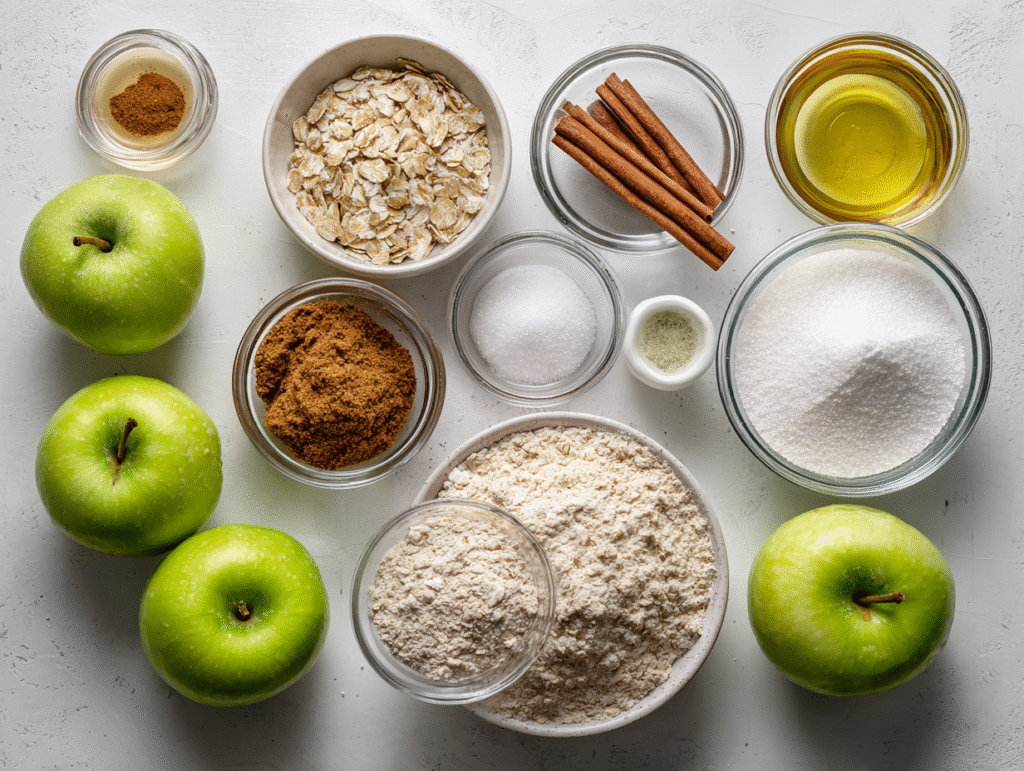
Start with rolled oats. They provide structure, fiber, and that familiar chew. Add almond flour or chopped nuts like pecans or walnuts for richness and a nutty crunch. Instead of butter, I like to use coconut oil or avocado oil — both are heart-healthy fats that help bind the mixture and create that crisp edge in the oven.
To sweeten, a brown sugar substitute like Swerve Brown or Lakanto Golden does the trick. A pinch of sea salt and a touch of vanilla or maple extract takes the flavor up a notch — and no, maple extract doesn’t contain sugar, but it gives the illusion of maple syrup richness.
Here’s my go-to topping blend:
| Ingredient | Healthy Swap |
|---|---|
| Brown sugar | Swerve Brown / Lakanto Golden |
| All-purpose flour | Almond flour or oat flour |
| Butter | Coconut oil or avocado oil |
This topping works wonderfully for fruit crisps and even for low-sugar berry crumble bars. It’s crisp, lightly sweet, and so satisfying.
Spices, Texture, and Toppings for Diabetics
The best flavor enhancers in an apple crisp? Cinnamon, nutmeg, and lemon zest. These spices not only complement apples but also enhance sweetness — so you can use less actual sweetener.
I also love adding ground flaxseed to the topping. It boosts fiber and gives a mild nuttiness. Want a little flair? Toasted unsweetened coconut flakes add crunch without sugar.
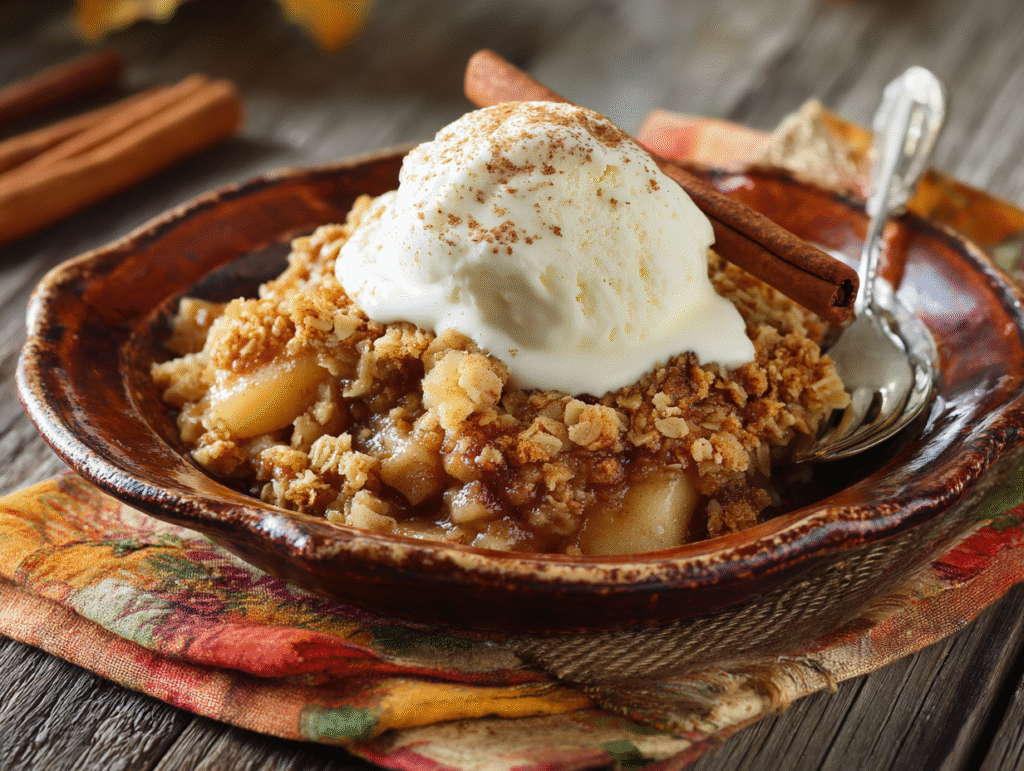
For serving, skip the usual scoop of vanilla ice cream and try:
- A dollop of unsweetened Greek yogurt
- A swirl of coconut cream (whipped with vanilla extract)
- A spoonful of ricotta mixed with cinnamon
These toppings keep things creamy and satisfying without sending your blood sugar soaring. I use the same trick when serving my peach almond skillet crisp — and it’s always a hit.
Baking Tips & Common Questions
Can You Bake With White Sugar or No Sugar at All?
Technically, yes — but when you’re making a diabetic desserts apple crisp, white sugar just isn’t ideal. It has a high glycemic index and lacks any nutritional value. If you use it, even in small amounts, it can spike blood glucose levels quickly, especially when combined with fruit.
That said, some bakers ask: can I make apple crisp with no sugar at all? Yes — and it can still taste delicious.
Here’s how: Choose extra ripe or naturally sweet apples like Gala or Fuji (or use a mix). Add spices like cinnamon and nutmeg, and roast the apples slightly before baking the crisp to concentrate their natural sugars. It won’t be as sweet as traditional crisp, but it will have a rich, warm apple flavor that stands on its own — perfect if you’re pairing it with a touch of stevia-sweetened whipped topping or just keeping it light.
I’ve tested sugar-free crisps for my zero sugar baked apple bowls — and trust me, they work.
What Makes Apple Crisp Different from Apple Crumble?
Though the two terms are often used interchangeably, especially in the U.S., there’s a subtle difference between an apple crisp and an apple crumble — and if you’re baking for dietary needs, the textures matter.
- Apple crisp: Uses oats or nuts in the topping. It’s crunchy, textured, and more layered in flavor — perfect for those who like a hearty bite.
- Apple crumble: Tends to be more cakey or streusel-like, often made with just butter, flour, and sugar. It’s softer, denser, and more traditional in British baking.
For a diabetic-friendly version, the crisp format is ideal. You can leverage fiber-rich oats, skip the sugar, and keep the topping light but satisfying. If you’re curious, I have a hybrid version in my low-carb pear crumble crisp that uses almond flour and chopped almonds for the best of both worlds.
FAQs about diabetic desserts apple crisp
Can a diabetic eat a baked apple?
Are Honeycrisp apples ok for diabetics?
What is a substitute for brown sugar in apple crisp?
What is a healthy topping for apple crisp?
What is a healthy replacement for brown sugar?
Can I make apple crisp with white sugar?
Can you make apple crumble without sugar?
What is a good low-calorie dessert?
What’s the difference between apple crumble and apple crisp?
Conclusion
Making dessert when you’re watching your sugar doesn’t mean skipping the good stuff. This diabetic desserts apple crisp proves that flavor, crunch, and comfort can live in the same dish — no guilt, no glucose spike. With the right apples, smart sweeteners, and a wholesome topping, you’ve got a recipe that feels indulgent but fits perfectly into a diabetic-friendly lifestyle.
Whether you serve it warm with coconut whip or chilled straight from the fridge, it’s a cozy dish worth repeating — just like my favorite bakes on Taste to Rate.
Please let me know how it turned out for you! Leave a comment below and tag @foodiecreator on Instagram and hashtag it #foodiecreator. I’d love to see how you make it your own.
yeah bookmaking this wasn’t a bad determination outstanding post! .
Very nice post and straight to the point. I am not sure if this is truly the best place to ask but do you people have any ideea where to hire some professional writers? Thank you 🙂
There are actually a number of details like that to take into consideration. That may be a great level to bring up. I provide the ideas above as basic inspiration however clearly there are questions just like the one you bring up the place the most important thing will be working in sincere good faith. I don?t know if greatest practices have emerged around things like that, however I’m positive that your job is clearly recognized as a fair game. Both boys and girls feel the impact of only a moment’s pleasure, for the remainder of their lives.